Behavioral Loops in Digital Card Ecosystems: How Custom Reward Triggers Reshape Engagement Cycles for Punto Banco Participants Worldwide
Zoe Meier · Jun 23, 2026
Behavioral Loops in Digital Card Ecosystems: How Custom Reward Triggers Reshape Engagement Cycles for Punto Banco Participants Worldwide
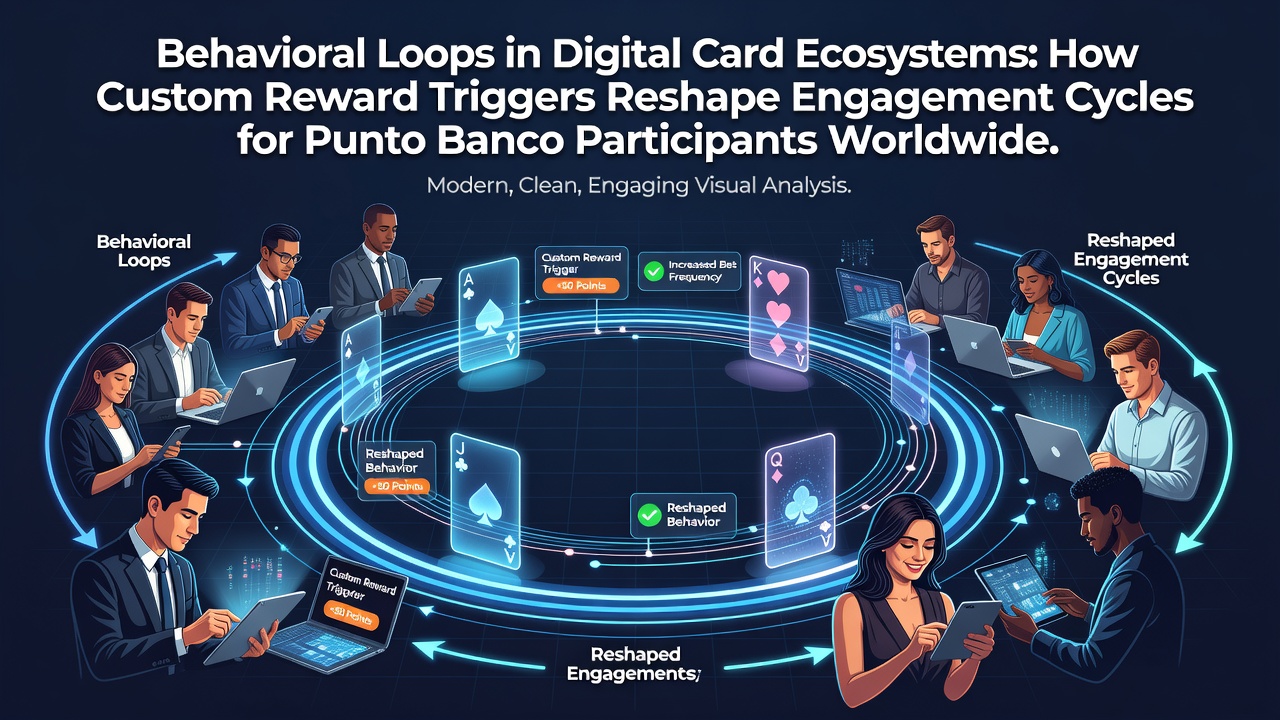
Digital platforms hosting Punto Banco have integrated behavioral loops that rely on custom reward triggers to influence how participants return to virtual tables and sustain their activity over extended periods. These systems track individual play patterns then adjust incentives such as bonus credits or multiplier opportunities to align with observed habits, creating cycles where each completed session feeds data back into the next set of tailored offers. Observers note that this approach operates across global networks serving players from Asia, Europe, and the Americas, with platforms refining algorithms to match regional preferences for game pacing and stake levels.
Mechanics Behind Behavioral Loops in Digital Card Play
Behavioral loops form when a sequence of actions, rewards, and feedback repeats in ways that encourage continued participation, and in Punto Banco environments this often starts with an initial deposit match or free-play allocation that transitions into ongoing triggers based on hand frequency and outcome streaks. Custom rewards activate after specific thresholds such as consecutive banker bets or total hands played within a session, which then prompt notifications that guide players toward the next engagement point. Data from platform analytics shows these loops strengthen when rewards appear at moments of potential disengagement, such as after a series of losses, because the system can deploy recovery bonuses calibrated to the user's historical response rates.
Platforms employ machine learning models that segment users into categories like high-frequency evening players or weekend high-stakes participants, allowing reward triggers to vary accordingly while maintaining compliance with jurisdictional rules on promotional mechanics. Researchers at institutions studying digital gambling patterns have documented how these segmented approaches lead to measurable increases in session duration across Punto Banco tables compared to generic bonus structures.
Custom Reward Triggers and Their Integration with Engagement Cycles
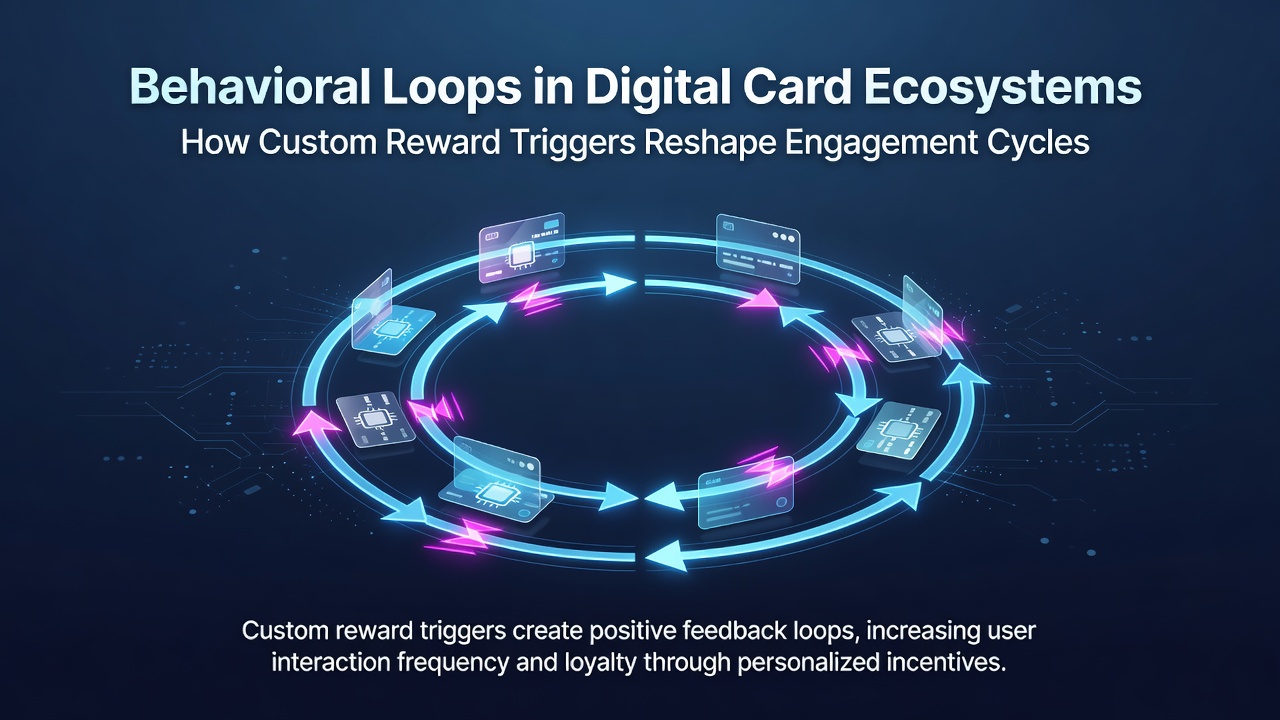
Custom reward triggers function through real-time analysis of player data points including average bet size, preferred side bets, and time between decisions, which platforms then convert into personalized incentives delivered via app notifications or in-game pop-ups. For instance, a participant who consistently favors the player side might receive a targeted multiplier on that wager after reaching a predefined number of rounds, thereby extending the session and reinforcing the loop. This personalization differs from static welcome offers because it evolves with each interaction, drawing on accumulated history to predict and preempt drops in activity.
Engagement cycles reshape when these triggers align with external factors such as time-zone specific promotions or event-tied bonuses around major sporting calendars, yet the core mechanism remains the adaptive feedback that converts one play period into motivation for the next. Figures released by the Nevada Gaming Control Board indicate that digital table game segments, which include Punto Banco variants, have seen shifts in repeat visit rates coinciding with wider adoption of such dynamic systems through mid-2026.
Global Patterns Among Punto Banco Participants
Worldwide adoption reveals distinct regional expressions of these loops, with Asian markets often emphasizing rapid trigger cycles tied to high-volume micro-bets while European and North American platforms favor longer accumulation periods before reward disbursement. Participants in these ecosystems experience altered decision-making rhythms because the custom triggers introduce variable reward timing that mirrors elements of the game itself, such as streaks or pattern recognition in card outcomes. A report from the Australian Gambling Research Centre highlights how such mechanisms correlate with sustained participation rates among digital card game users when measured across multiple jurisdictions in early 2026.
June 2026 data from international gaming networks shows platforms adjusting trigger sensitivity in response to seasonal play fluctuations, for example increasing bonus frequency during holiday periods to maintain cycle momentum for Punto Banco enthusiasts traveling or shifting schedules. This adaptability keeps the loops intact even as external conditions change, and observers point to examples where operators in Macau-linked digital services and Caribbean-regulated sites apply similar segmentation to serve diverse player bases without uniform reward structures.
Regulatory and Technological Considerations Shaping These Systems
Regulatory frameworks in various regions require transparency around how reward triggers operate, prompting platforms to log and disclose the criteria used for personalization while still preserving the algorithmic edge that drives engagement. Technological infrastructure supporting these loops includes secure data pipelines that aggregate anonymized behavior across devices, enabling seamless transitions from mobile sessions to desktop continuations without resetting accumulated progress toward the next trigger. Industry reports from the Canadian Gaming Association note that integration of geolocation with behavioral tracking has allowed finer calibration of incentives for cross-border Punto Banco participants, reducing friction in global networks.
Case examples include operators who tested variable trigger frequencies and observed corresponding changes in average hands per session, demonstrating that the loop strength depends on balancing reward immediacy against perceived value. These adjustments occur continuously as new data streams refine the models, ensuring the engagement cycles remain responsive to evolving player cohorts worldwide.
Conclusion
Behavioral loops powered by custom reward triggers continue to influence engagement cycles for Punto Banco participants through data-driven personalization that spans digital ecosystems globally. The mechanisms rely on adaptive incentives that connect individual actions to sustained platform activity, with patterns documented in regulatory filings and research summaries from multiple regions as of June 2026. Platforms maintain these systems under evolving compliance standards while delivering region-specific variations that reflect diverse participant behaviors across continents.