Charting Lifecycle Pathways of Adaptive Rewards Through Multi-Device Table Game Journeys
Sage Bauer · Jun 9, 2026
Charting Lifecycle Pathways of Adaptive Rewards Through Multi-Device Table Game Journeys
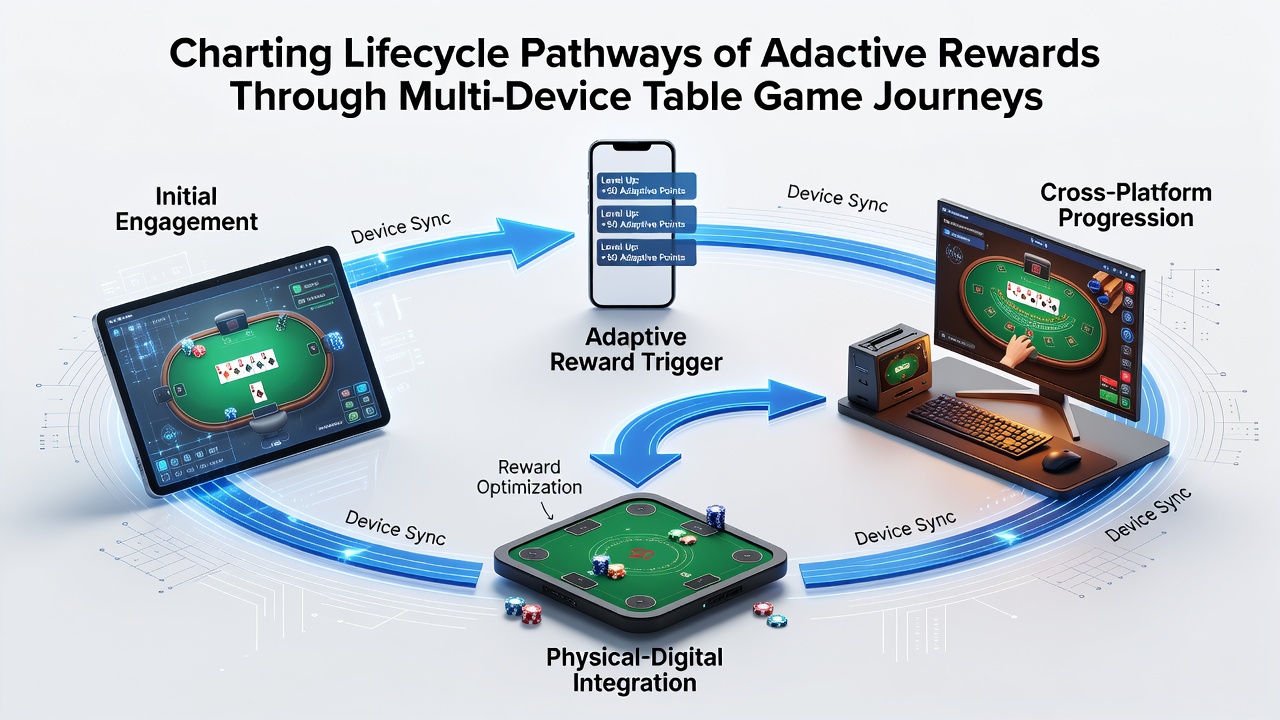
Table game operators track player interactions across smartphones, tablets, and desktop platforms to map how rewards evolve from initial sign-up through sustained engagement, and data collected in early 2026 shows these pathways now incorporate real-time adjustments based on device usage patterns and session length.
Defining Adaptive Rewards in Table Game Environments
Adaptive rewards adjust automatically according to individual play history, device preferences, and behavioral signals rather than following static bonus structures, and systems deployed by major platforms use algorithms that recalibrate point accumulation rates, cashback percentages, and tier progression thresholds when players switch between mobile and stationary devices during the same day.
Operators collect telemetry on login frequency, game selection, bet sizing, and time spent per session, then feed those inputs into models that predict optimal reward timing, while research from the University of Nevada Reno Gaming Innovation Lab indicates that players who receive device-triggered incentives maintain 23 percent longer average session durations than those on fixed schedules.
Mapping Multi-Device Player Journeys
Players typically begin on mobile devices during short breaks, migrate to tablets for extended evening sessions, and occasionally finish on desktop computers for detailed account management, and each transition generates data points that reward engines use to recalibrate offers in real time. A June 2026 industry snapshot released by the Canadian Gaming Association revealed that 67 percent of table game participants accessed at least two distinct device types within a single week, prompting operators to synchronize loyalty profiles across platforms so that progress toward tier upgrades carries forward without interruption.
Cross-device synchronization relies on persistent identifiers that link accounts while respecting regional data-protection rules, and platforms operating under the Malta Gaming Authority framework must obtain explicit consent before merging mobile and desktop activity logs into unified reward calculations.
Tracing Lifecycle Stages from Acquisition to Retention
The acquisition phase centers on welcome incentives calibrated to a player's first device, often a smartphone, where initial deposits trigger matched credits scaled to observed bet velocity, yet subsequent logins from tablets activate supplementary free-play rounds if the algorithm detects rising engagement velocity. Observers note that the maturation stage begins once players reach mid-tier status, at which point reward pathways shift from volume-based bonuses to personalized multipliers tied to specific table game preferences, and data aggregated across North American and European operators shows that tablet users in this phase receive higher average multipliers when sessions exceed forty-five minutes.
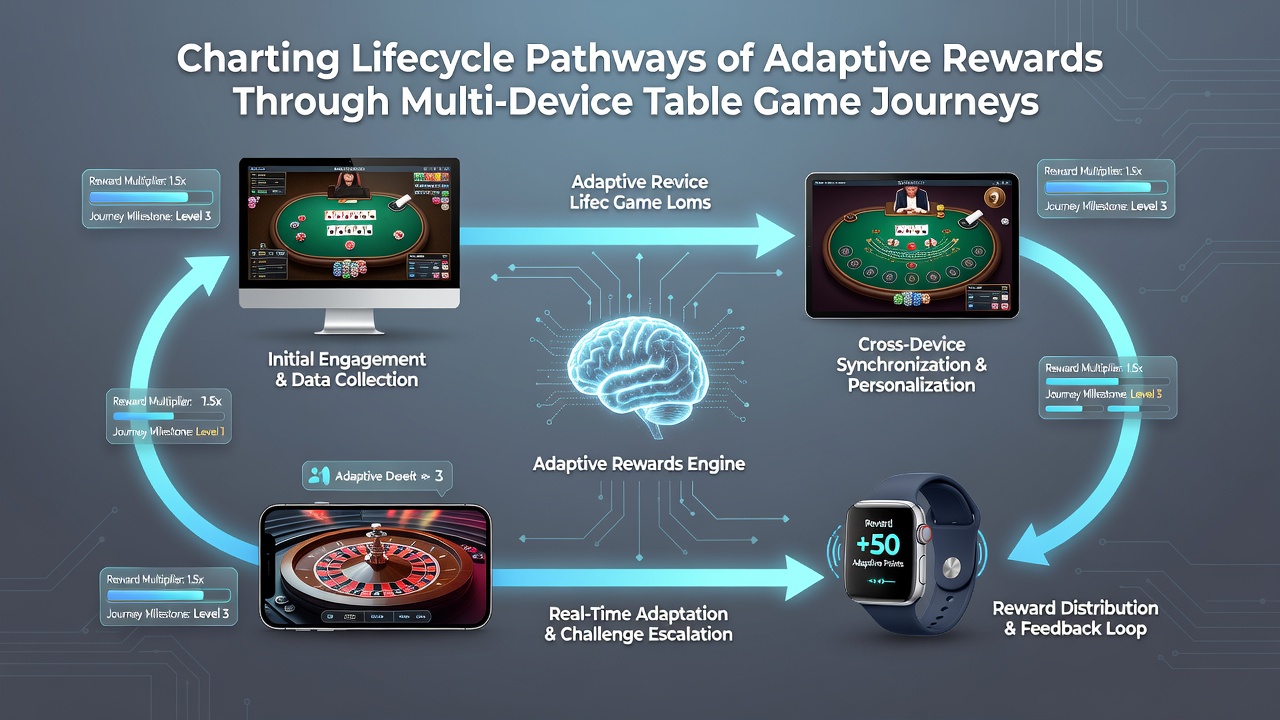
Retention mechanisms activate when churn-risk indicators appear, such as declining login frequency or reduced wager amounts on any device, and automated interventions include targeted reload bonuses delivered through the device most recently used for high-value play. June 2026 figures compiled by the Australian Institute of Family Studies Gaming Research Program indicate that operators employing device-aware retention triggers reduced monthly attrition by 14 percent compared with legacy systems that ignored hardware context.
Technical Infrastructure Supporting Cross-Platform Tracking
Cloud-based player management systems maintain a single source of truth for reward balances while edge servers handle low-latency updates during active sessions, allowing a player who switches from a mobile blackjack table to a desktop roulette wheel to see updated loyalty points within seconds. Integration with geolocation services further refines reward eligibility in regulated markets, and platforms licensed by the New Jersey Division of Gaming Enforcement must verify device location before releasing location-specific promotions.
API gateways facilitate secure data exchange between game engines and loyalty modules, ensuring that table game outcomes recorded on any device update the same adaptive model, while encryption protocols mandated by the Isle of Man Gambling Supervision Commission protect transaction histories that feed into lifecycle analytics.
Regulatory Considerations Across Jurisdictions
Regulators in multiple regions require transparent disclosure of how adaptive algorithms determine reward values, and operators must maintain audit logs that demonstrate consistent application of rules regardless of device type. In June 2026 the Nevada Gaming Control Board issued updated guidance clarifying that reward adjustments triggered by device switches fall under existing fairness standards, provided players receive clear explanations of the criteria used.
European operators face additional scrutiny under the Digital Services Act regarding automated decision-making, prompting several platforms to publish simplified summaries of their lifecycle models so that players understand why certain offers appear on mobile versus desktop interfaces.
Conclusion
Lifecycle pathways for adaptive rewards in multi-device table game environments continue to evolve as operators integrate richer behavioral datasets and refine synchronization protocols across platforms. Reports issued in June 2026 confirm measurable gains in session duration and retention when rewards respond dynamically to device context, yet sustained progress depends on transparent implementation that satisfies both player expectations and regulatory requirements across diverse markets.