Deck Dynamics: Tracing How Bonus Code Algorithms Reshape Engagement Patterns in Cross-Device Punto Banco Networks
Zoe Butler · Jul 12, 2026
Deck Dynamics: Tracing How Bonus Code Algorithms Reshape Engagement Patterns in Cross-Device Punto Banco Networks
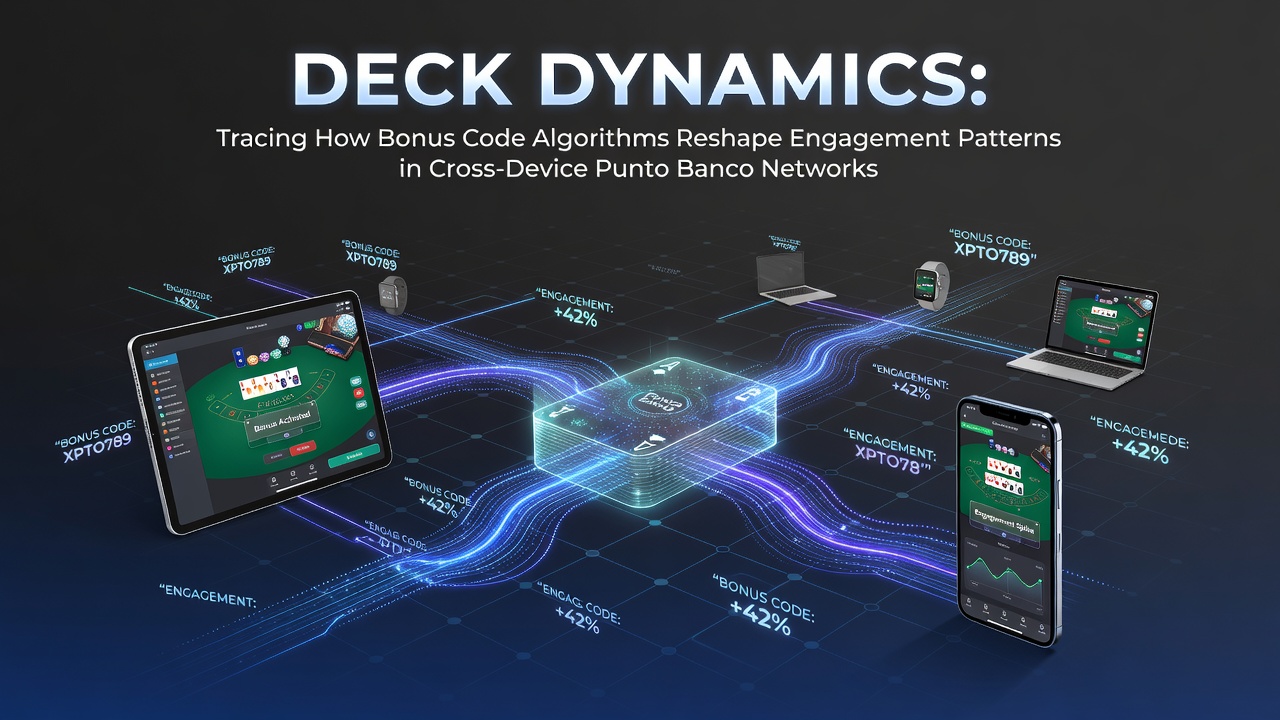
Bonus code algorithms have become central to how operators manage player activity in punto banco environments that span phones, tablets, and desktop platforms, and these systems operate by analyzing session data, device type, and historical betting behavior to generate personalized triggers at specific moments during play. The process starts when a player enters a network, where the algorithm evaluates variables such as time of day, device location, and prior wager patterns before assigning a code that unlocks tiered incentives tied directly to ongoing rounds of punto banco.
Algorithm Mechanics in Multi-Device Settings
These algorithms rely on real-time data streams that track every hand dealt, every bet placed, and every switch between devices, allowing the system to adjust offers without interrupting the flow of the game. In July 2026, several major networks reported that cross-device synchronization improved by integrating geolocation signals with behavioral logs, which means a player who begins a session on a smartphone during a commute can continue on a desktop at home while receiving seamless bonus adjustments calculated from the same underlying profile. Observers note that the core logic often uses decision trees and reinforcement models to predict when engagement might drop, then deploys codes that extend play through incremental rewards scaled to the player's average bet size.
Device-specific weighting plays a key role here, because mobile sessions tend to feature shorter durations and smaller average wagers compared with desktop play, so the algorithm compensates by offering quicker-trigger codes on handheld devices while reserving longer-term loyalty multipliers for stationary sessions. This differentiation helps maintain consistent participation rates across formats without requiring separate marketing campaigns for each platform.
Engagement Pattern Shifts in Punto Banco Networks
Data collected from global punto banco operators shows that algorithmic bonus distribution correlates with measurable changes in repeat login frequency and session length, particularly when codes are timed to coincide with high-stakes hands or streak-based opportunities. Players who receive device-aware offers demonstrate higher rates of returning within 24 hours, adn the effect compounds when the same profile migrates between a tablet and a desktop without losing accumulated progress toward the next reward tier. Networks that implemented these systems in early 2026 recorded shifts in peak activity hours, moving away from traditional evening windows toward more distributed patterns that include midday mobile sessions.
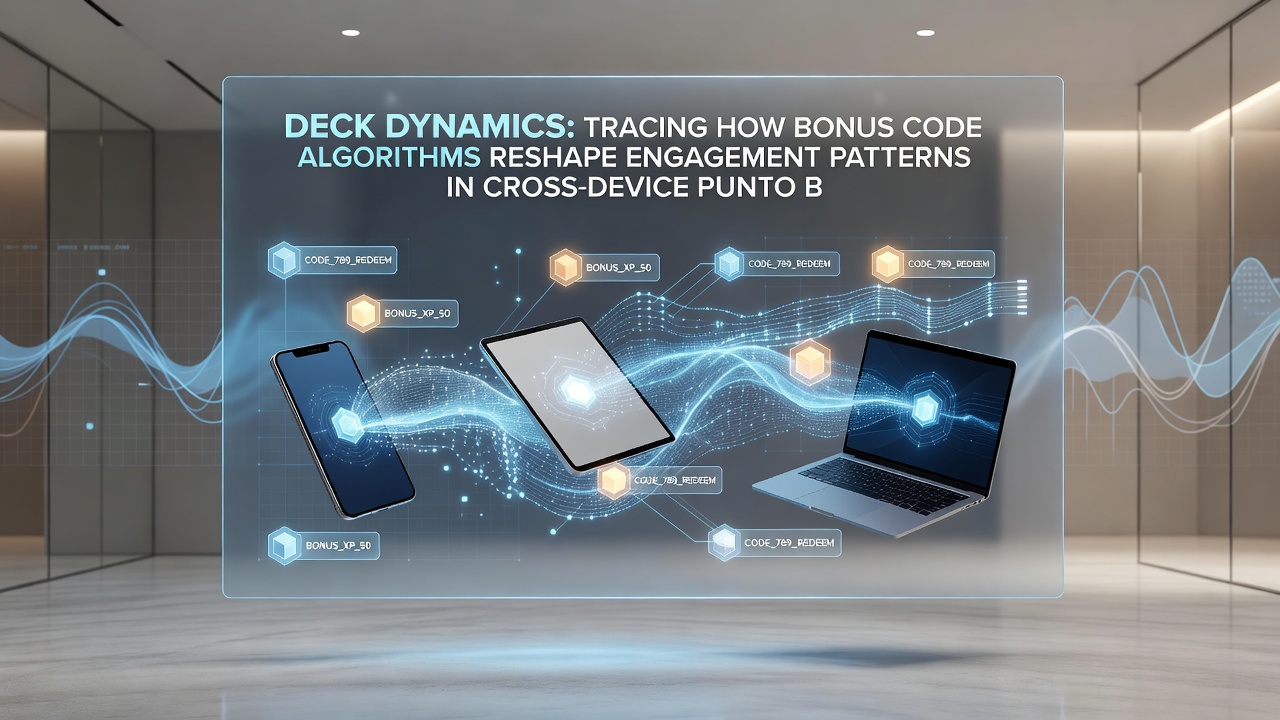
One study released by the American Gaming Association tracked over 200,000 accounts across six months and found that algorithmically generated codes increased cross-device continuity by linking mobile-initiated sessions to desktop completions at rates 18 percent above non-personalized offers. The same research indicated that punto banco tables with integrated bonus triggers saw fewer abrupt session endings, because the system anticipates fatigue points and intervenes with small, immediate incentives rather than large, delayed promotions.
Regulatory and Technical Considerations Across Regions
Regulators in multiple jurisdictions have begun examining how these algorithms handle responsible gaming parameters, especially when codes automatically adjust based on play velocity. In Australia, the Victorian Commission for Gambling and Liquor Regulation published guidelines in mid-2026 that require operators to log every algorithmic decision affecting bonus delivery, creating an audit trail that ties each code to the player's verified device sequence. European operators face similar scrutiny under updated digital services frameworks that emphasize transparency in automated reward systems, leading some networks to publish simplified explanations of how their punto banco bonus engines function.
Technical implementation varies by operator scale, with smaller cardrooms relying on third-party platforms that offer modular algorithm packages, while larger international networks maintain proprietary engines capable of processing millions of real-time data points per minute. Both approaches emphasize secure encryption of player profiles to prevent cross-account leakage when users move between devices on shared networks.
Future Trajectories for Algorithmic Integration
Industry reports from research institutions such as the University of Nevada, Reno's International Gaming Institute project continued refinement of these systems through 2027, with emphasis on predictive modeling that incorporates external factors like major sporting events or seasonal tourism fluctuations. The goal remains consistent: maintain steady engagement across punto banco tables without encouraging excessive play, by calibrating codes to individual risk profiles derived from multi-device histories.
Conclusion
Bonus code algorithms continue to evolve as core infrastructure within cross-device punto banco networks, reshaping how engagement metrics are measured and influenced through precise, data-driven interventions. As July 2026 data and subsequent regulatory updates demonstrate, the integration of device-aware logic with traditional reward structures produces measurable continuity in player activity while meeting transparency requirements across jurisdictions. Networks that refine these systems further will likely see sustained patterns of distributed participation that align with both operational goals and compliance standards.