Decoding Loyalty Structures in Wireless Card Game Ecosystems Through Behavioral Data Integration
Jakob Schmitz · Aug 16, 2026
Decoding Loyalty Structures in Wireless Card Game Ecosystems Through Behavioral Data Integration
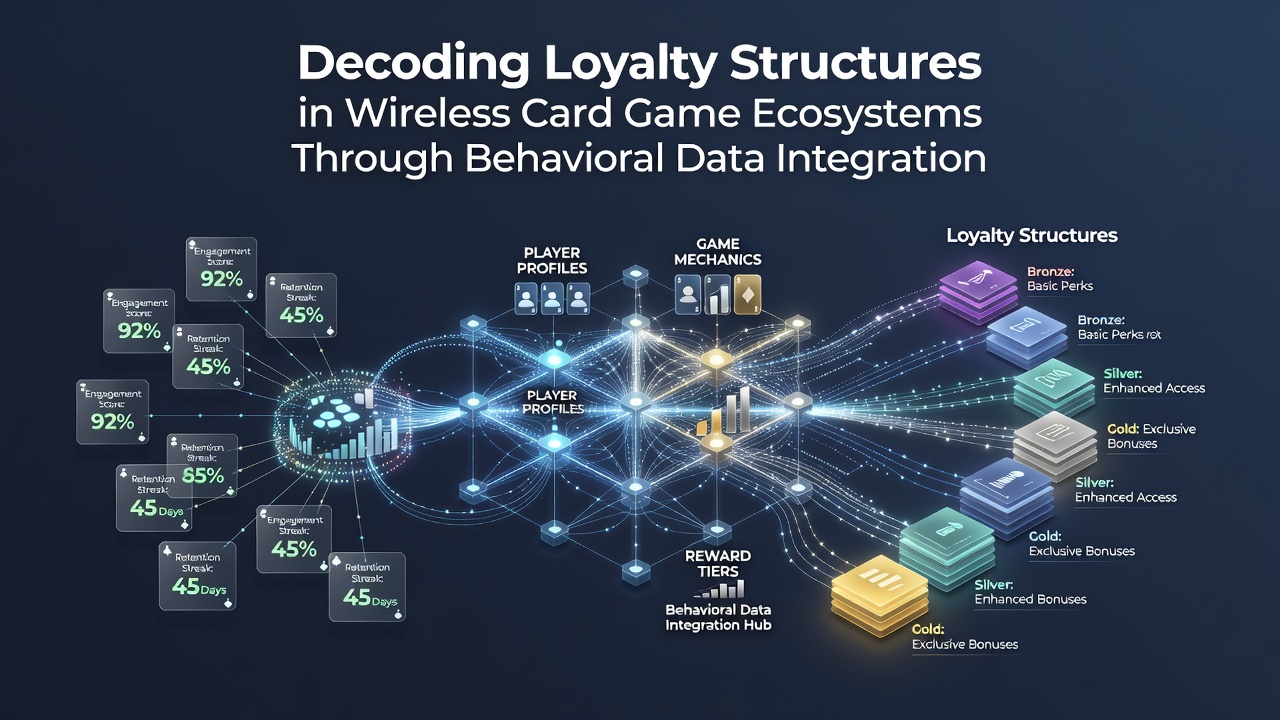
Wireless card game platforms have expanded rapidly since 2024, and operators now integrate behavioral data streams to map loyalty structures that retain users across poker, blackjack, and other table game variants. Data collection begins at registration when systems log device type, session duration, and initial game selections, then continues through every subsequent interaction to build profiles that adjust reward tiers automatically.
Data Integration Frameworks in Mobile Environments
Operators combine multiple data sources including in-app telemetry, payment histories, and social sharing patterns into centralized analytics engines, and these engines process information in real time to identify which players respond to specific incentive types. Research from the University of Nevada's gaming analytics program shows that integrated datasets improve retention prediction accuracy by 27 percent compared with isolated metrics, while similar studies conducted by the Australian Institute of Family Studies highlight regional differences in engagement cycles among Asia-Pacific users versus North American cohorts.
Behavioral signals such as frequency of table switches, average bet size adjustments during winning streaks, and time spent reviewing rules sections feed into machine learning models that assign loyalty points dynamically. Systems flag patterns like evening play spikes or weekend tournament participation, then trigger tier upgrades or personalized bonus offers without manual intervention from marketing teams.
Structure of Tiered Rewards and Progression Mechanics
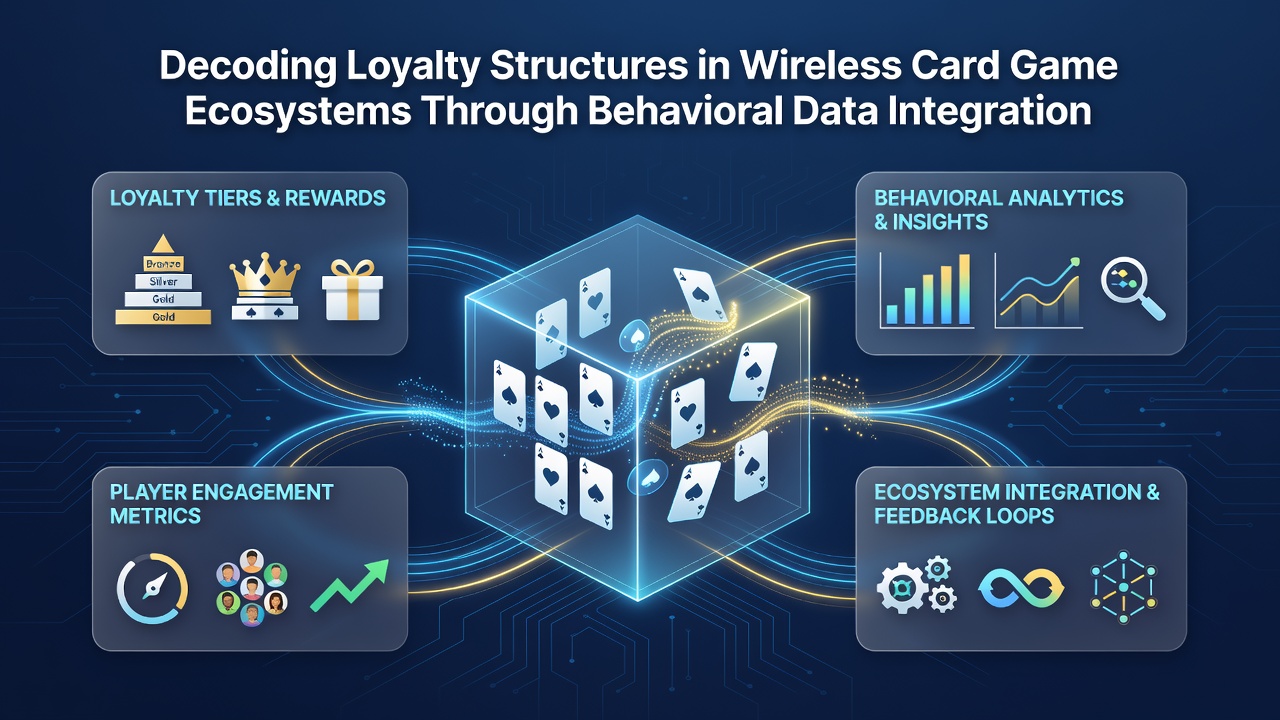
Loyalty programs typically organize players into four or five ascending tiers, and advancement depends on cumulative activity scores calculated from session length, game variety, and deposit consistency rather than raw spending alone. Players in lower tiers receive basic daily login rewards, whereas those reaching mid-level status unlock access to exclusive virtual tables and accelerated point multipliers during promotional windows.
Top-tier participants often gain benefits such as priority customer support queues and invitations to limited-time events, yet these privileges require sustained engagement thresholds that algorithms monitor continuously to prevent stagnation. Data indicates that players who receive tier-matched communications complete 34 percent more sessions over a three-month period, according to aggregated reports from the European Gaming and Betting Association.
Case Examples from Platform Implementations
One North American operator introduced a behavior-based loyalty module in March 2025 that tracked card game selection sequences and adjusted reward velocity accordingly, resulting in a documented 19 percent increase in monthly active users within the first quarter. Another platform serving European markets integrated geolocation signals with play patterns to deliver region-specific challenges, and participants who completed those challenges showed higher conversion rates from free-to-play to paid progression paths.
Observers note that platforms avoiding rigid point systems in favor of fluid, data-responsive structures maintain steadier user bases through seasonal fluctuations, while those relying on static milestones experience sharper drop-offs after initial novelty periods. Integration of cross-device tracking further allows continuity when users move between phones and tablets, preserving progression history and preventing duplicate account issues that previously fragmented loyalty data.
Regulatory and Technical Considerations
Regional authorities such as the Nevada Gaming Control Board and Canada's provincial oversight bodies require transparent documentation of how behavioral algorithms influence reward distribution, and operators must submit audit logs demonstrating that systems do not create unfair advantages for certain demographic groups. Compliance teams review data pipelines quarterly to ensure alignment with privacy standards, particularly regarding consent for location-based tracking features.
Technical challenges include latency in syncing data across global server clusters and maintaining model accuracy when player cohorts shift due to new game releases. Teams address these issues through regular retraining cycles that incorporate fresh behavioral samples, and platforms that update their models monthly report fewer instances of mismatched reward delivery compared with less frequent refresh schedules.
Conclusion
Integration of behavioral data into loyalty frameworks continues to reshape how wireless card game ecosystems allocate rewards, and ongoing refinements in analytics capabilities allow operators to respond to engagement signals with increasing precision. Platforms that maintain robust data governance while adapting tier mechanics to observed patterns position themselves for sustained user retention across evolving mobile environments.