Exploring Interconnected Reward Ecosystems in Global Electronic Gaming Platforms
Jakob Schmitz · Jun 21, 2026
Exploring Interconnected Reward Ecosystems in Global Electronic Gaming Platforms
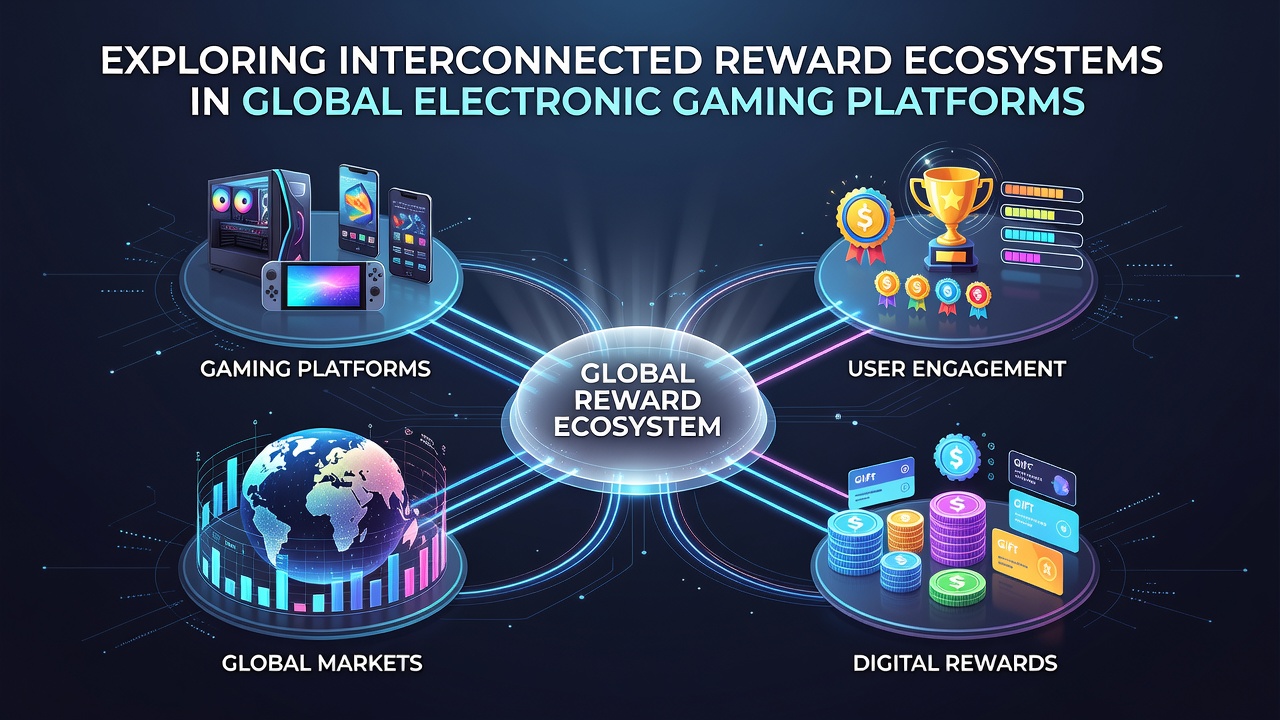
Electronic gaming platforms have developed complex networks where reward systems link across titles, devices, and regions, allowing players to transfer points, currencies, and achievements between environments. These ecosystems operate through shared databases and application programming interfaces that synchronize user progress in real time, creating pathways that span mobile applications, console networks, and browser-based services. Data from industry reports shows that such connections increased user retention rates by measurable margins in multiple markets during 2025, with further expansions noted into June 2026.
Core Components of Reward Integration
Platforms build these systems around centralized ledgers that track virtual goods and experience points across separate games, while third-party services often manage the actual exchange mechanics. Companies implement standardized protocols that convert rewards from one title into usable assets in another, and this process relies on secure authentication layers to prevent duplication or loss during transfers. Observers note that major operators in North America and Asia have adopted these methods at scale, resulting in unified player profiles that function across dozens of individual applications.
Take one major console network that partnered with mobile developers to allow progression carryover from handheld sessions directly into home console campaigns. The integration uses encrypted tokens that represent accumulated rewards, and these tokens convert automatically when the system detects compatible accounts. Research indicates similar approaches now appear in European markets, where regulatory frameworks require transparent disclosure of conversion rates before any transfer completes.
Regional Variations and Data Patterns
North American platforms tend to emphasize cross-title rewards within single publisher ecosystems, whereas Asian networks frequently connect independent developers through shared marketplaces. Figures from the Entertainment Software Association reveal that interconnected features contributed to a 22 percent rise in monthly active users across tracked services in the first quarter of 2026. European operators follow stricter data protection rules that limit how much personal information can feed into reward calculations, yet cross-border exchanges continue to grow through anonymized identifiers.
What's interesting is how these differences shape player behavior. In regions with lighter oversight, direct currency exchanges occur more frequently, while stricter jurisdictions focus on cosmetic items and achievement badges that carry less financial weight. A study conducted by researchers at the University of Melbourne documented these patterns across Australian and Southeast Asian servers, finding that reward portability increased average session lengths by 18 minutes per user when systems operated without interruption.
Technology Enabling Cross-Platform Transfers
Cloud-based synchronization engines form the backbone of these ecosystems, updating player data across global server clusters within seconds of each transaction. Blockchain elements appear in select implementations to create verifiable ownership records for rare digital items, and this approach gained traction after several high-profile platforms adopted distributed ledger technology in late 2025. The process allows users to move assets between unrelated games without requiring direct partnerships between every developer involved.
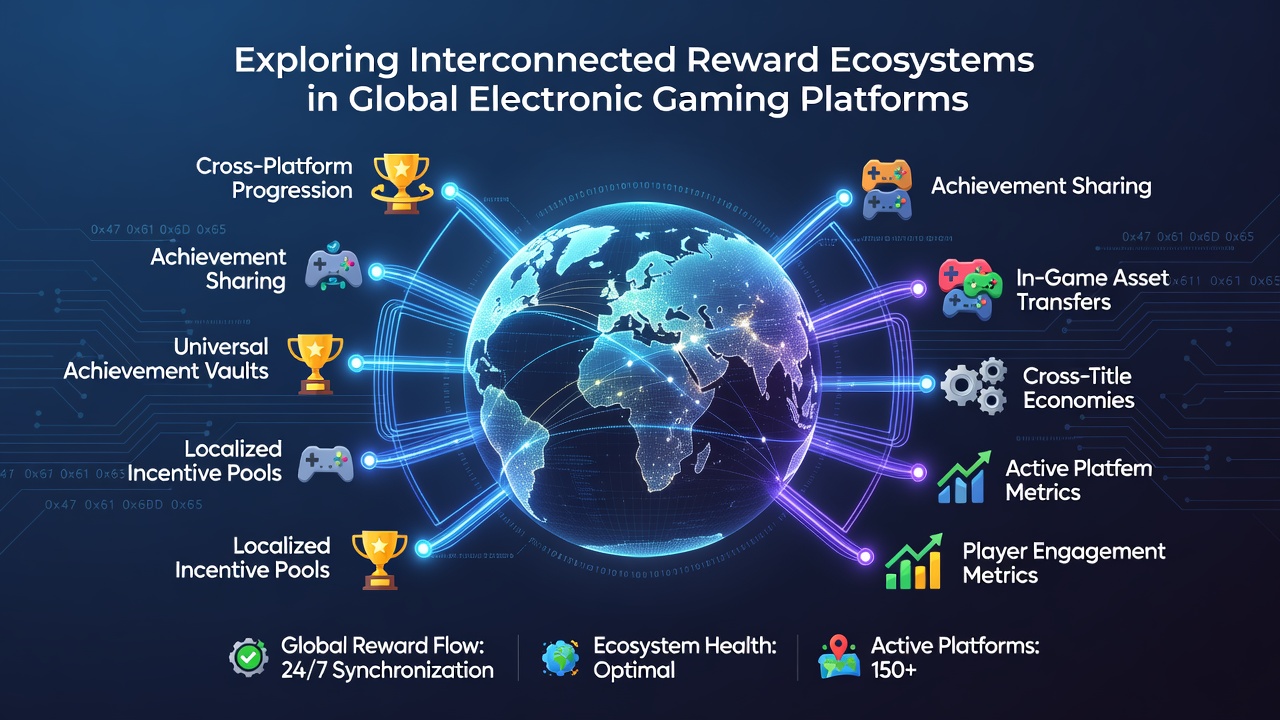
Developers integrate these tools through software development kits that handle currency mapping and fraud detection automatically. When one platform updates its reward catalog, connected services receive the changes through automated feeds, maintaining consistency without manual intervention. This automation reduces errors that previously disrupted player progress during large-scale events.
Impact on Player Engagement Metrics
Analytics from multiple services demonstrate that interconnected rewards correlate with higher daily login rates and longer overall playtimes. Players who participate in transfer programs complete more in-game objectives than those limited to single-platform activity, according to aggregated telemetry shared at industry conferences. These patterns hold across age groups and geographic locations, though the specific reward types that drive engagement vary by market.
One case involved a global battle royale title that introduced cross-game weapon skins redeemable in unrelated racing simulations. Participation metrics climbed steadily after launch, and developers recorded sustained increases in companion app usage as players monitored their transferable assets. Similar experiments continue in 2026, with new integrations scheduled for release windows throughout the summer months.
Future Directions in Ecosystem Design
Engineers continue refining conversion algorithms to balance fairness across different game economies, while publishers explore deeper ties with social platforms that extend reward visibility beyond dedicated gaming applications. Regulatory bodies in Canada and Australia have begun reviewing how these systems handle player data during international transfers, prompting updates to privacy controls that affect how rewards appear in unified profiles.
Additional pilots launched in June 2026 test real-time reward adjustments based on global server loads, allowing dynamic scaling of available items when demand spikes in specific regions. These adjustments aim to prevent inflation within shared economies while preserving the value players attach to accumulated assets.
Conclusion
Interconnected reward ecosystems now represent a standard feature across global electronic gaming platforms, supported by synchronized databases, standardized protocols, and region-specific compliance measures. The connections enable seamless movement of progress and assets between diverse titles, and ongoing technical refinements continue to expand these capabilities. Data collected through mid-2026 confirms measurable effects on user activity patterns, while regulatory developments shape how these systems evolve in different markets.