Harmonizing Incentive Synchronization Across Mobile Platforms and Virtual Baccarat Table Systems
Zoe Meier · Aug 4, 2026

Harmonizing Incentive Synchronization Across Mobile Platforms and Virtual Baccarat Table Systems
Digital gaming networks have developed methods to align reward distributions between handheld interfaces and virtual baccarat table mechanics since the expansion of live dealer platforms in the mid-2010s, and these systems continue to evolve with updates reported through August 2026. Data from industry monitoring shows that real-time data exchanges allow bonus triggers on mobile screens to match outcomes at virtual tables, which reduces discrepancies in player accounts across devices. Observers note that such synchronization relies on API connections that transmit wager data, win multipliers, and promotional credits without interruption during sessions.
Core Mechanics of Reward Alignment
Virtual baccarat tables operate through randomized number generators and live video feeds while handheld applications manage user inputs and display layered incentives, and the connection between these elements depends on timestamped data packets that update reward ledgers instantly. Researchers at academic institutions have documented how geolocation signals and device identifiers help platforms apply region-specific promotions directly to ongoing table sessions, which maintains consistency when players switch from desktop views to smartphones mid-game. According to reports compiled by the American Gaming Association, operators processed millions of synchronized transactions monthly in 2025, with figures indicating growth in mobile segments that reached 62 percent of total baccarat activity by early 2026.
Systems employ matching algorithms that pair promotional triggers with table events such as banker wins or tie payouts, and these pairings activate credits or free-hand opportunities within seconds. Players receive notifications on their devices that reflect table results because backend servers maintain unified player profiles, and this approach prevents the duplication or loss of rewards that once occurred in earlier fragmented setups.
Technical Frameworks Supporting Cross-Device Flows
Secure socket layers and cloud-based ledgers form the backbone of these flows, which transmit encrypted information between handheld apps and virtual table servers. Industry organizations like the Canadian Gaming Association have tracked how latency reductions below 200 milliseconds became standard by mid-2026, allowing seamless updates even during peak traffic periods on major platforms. One study from university gaming research groups revealed that integrated token systems now allocate loyalty points proportionally to both mobile deposits and virtual table participation rates.
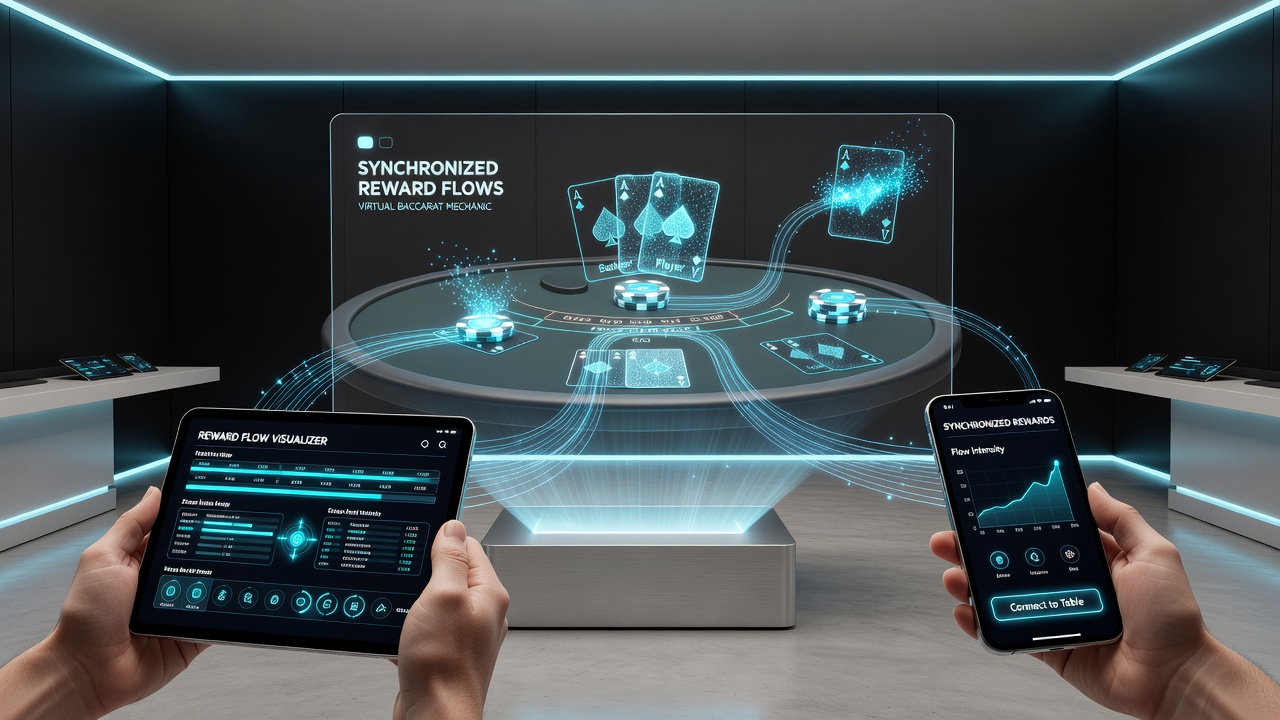
Platforms incorporate device detection protocols that adjust interface elements automatically, whereas reward calculations remain constant regardless of access method. This consistency stems from centralized databases that log every action, and such logs feed into compliance checks required by regulatory bodies in various jurisdictions including those overseen by the Nevada Gaming Control Board. Data patterns show that synchronized flows contribute to higher retention metrics because players encounter fewer interruptions when incentives activate across formats.
Regional Adaptations and Regulatory Influences
Markets in Asia and North America apply distinct rules to these synchronized systems, with Macau authorities requiring detailed reporting on cross-device promotional transfers through the Gaming Inspection and Coordination Bureau. European operators follow guidelines that emphasize transparency in how virtual table results influence mobile bonus releases, and these standards encourage operators to publish audit summaries quarterly. Observers note that August 2026 saw several platforms introduce enhanced verification layers that cross-check mobile location data against table participation logs to meet updated international standards.
Case examples from global networks illustrate how algorithmic pairing connects a mobile deposit bonus directly to a sequence of virtual baccarat rounds, which triggers additional credits upon meeting playthrough thresholds. Such mechanisms draw from player history stored in unified accounts, and they adjust dynamically based on recent activity without requiring manual intervention from users.
Conclusion
Current implementations demonstrate that synchronized reward flows depend on coordinated technical and regulatory elements that keep handheld interfaces and virtual baccarat mechanics operating in tandem. Figures from multiple monitoring sources confirm ongoing refinements in data exchange protocols through 2026, and these developments support consistent incentive delivery across varied player access points.