How Algorithmic Matching Systems Pair Promotional Triggers With Virtual Table Dynamics in Global Gaming Networks
Jordan Bauer · Jun 7, 2026
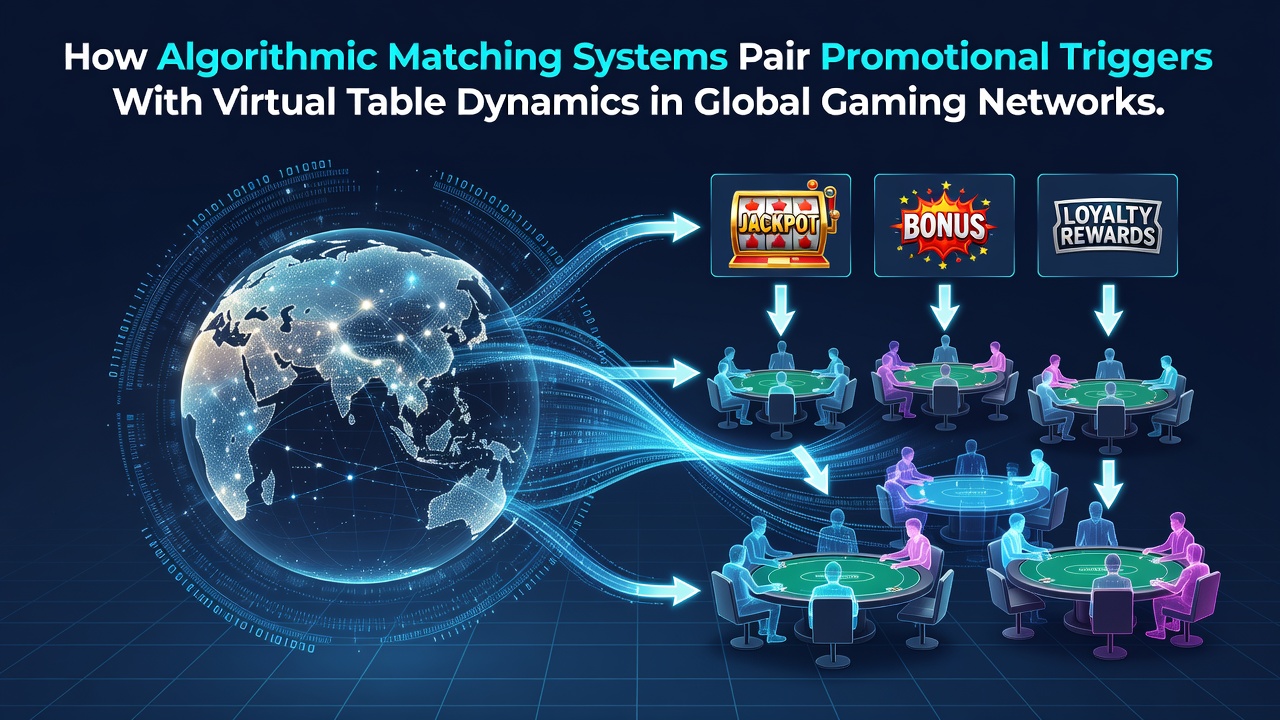
How Algorithmic Matching Systems Pair Promotional Triggers With Virtual Table Dynamics in Global Gaming Networks
In global gaming networks algorithmic matching systems operate as central mechanisms that align promotional triggers with the fluid dynamics of virtual tables, drawing on player data streams to adjust offers in real time across multiple jurisdictions and device types. These systems process inputs from game sessions, such as bet patterns and session durations, then map them against predefined trigger conditions that activate bonuses or incentives tailored to specific table behaviors. Observers note that such pairings rely on machine learning models trained on historical datasets collected from networks spanning North America, Europe, and Asia-Pacific regions, where virtual table environments simulate live dealer interactions through randomized number generators and user interface elements.
Data from industry reports indicate that matching algorithms segment players into cohorts based on engagement metrics including average wager size and frequency of table switches, allowing operators to deploy triggers like deposit matches or free spin allocations at moments when virtual table momentum shifts. Researchers have documented how these models incorporate variables from regulatory frameworks in different areas, ensuring compliance while optimizing delivery of promotions during peak activity periods. As of June 2026, integration of these systems has expanded in several markets with updates to cross-border data protocols that facilitate smoother synchronization between promotional engines and table simulation layers.
Core Components of Algorithmic Matching
Algorithmic frameworks typically consist of three interconnected layers including data ingestion modules that collect telemetry from virtual tables, decision engines that evaluate trigger eligibility, and delivery pipelines that push matched promotions to user interfaces without disrupting ongoing play sessions. The ingestion layer captures details such as card draw sequences in simulated environments along with player response times, while decision engines apply probabilistic scoring to determine which promotional trigger aligns best with current table dynamics like rising volatility or stabilizing win rates. Delivery mechanisms then route the selected incentive through mobile or desktop clients, often embedding it within the table view to maintain immersion.
Promotional Triggers and Their Activation Logic
Promotional triggers function as conditional rules encoded into the system architecture, ranging from simple threshold events like consecutive losses at a virtual blackjack table to more complex sequences involving multi-game interactions across networked platforms. These triggers connect to virtual table dynamics through shared data schemas that flag changes in player behavior patterns, such as increased session length or shifts in bet sizing, prompting the algorithm to initiate a matched offer. Evidence from operational analyses shows that trigger activation rates increase when systems account for regional preferences, with higher engagement observed in networks serving players from markets with established online gaming regulations like those managed by state authorities in Nevada and provincial bodies in Ontario.
Systems employ clustering techniques to group similar table states, enabling the matching process to prioritize triggers that complement rather than interrupt the flow of virtual gameplay. For instance, a player exhibiting cautious betting at a roulette simulation might receive a matched deposit offer timed to coincide with a detected streak of table resets, thereby extending session continuity. Studies from academic sources highlight how these pairings reduce churn by aligning incentives with the natural rhythm of table events rather than applying blanket promotions across all users.
Integration Across Global Networks
Global gaming networks rely on distributed computing resources to handle the scale of matching operations, with servers in multiple time zones processing simultaneous sessions from diverse player bases. This setup allows algorithms to factor in localized factors such as currency fluctuations and time-of-day preferences when pairing triggers with table dynamics, creating more precise matches than centralized models could achieve alone. Figures from regulatory filings reveal steady growth in the adoption of these distributed systems, particularly in jurisdictions that updated their technical standards for online platforms during 2025 and into mid-2026.
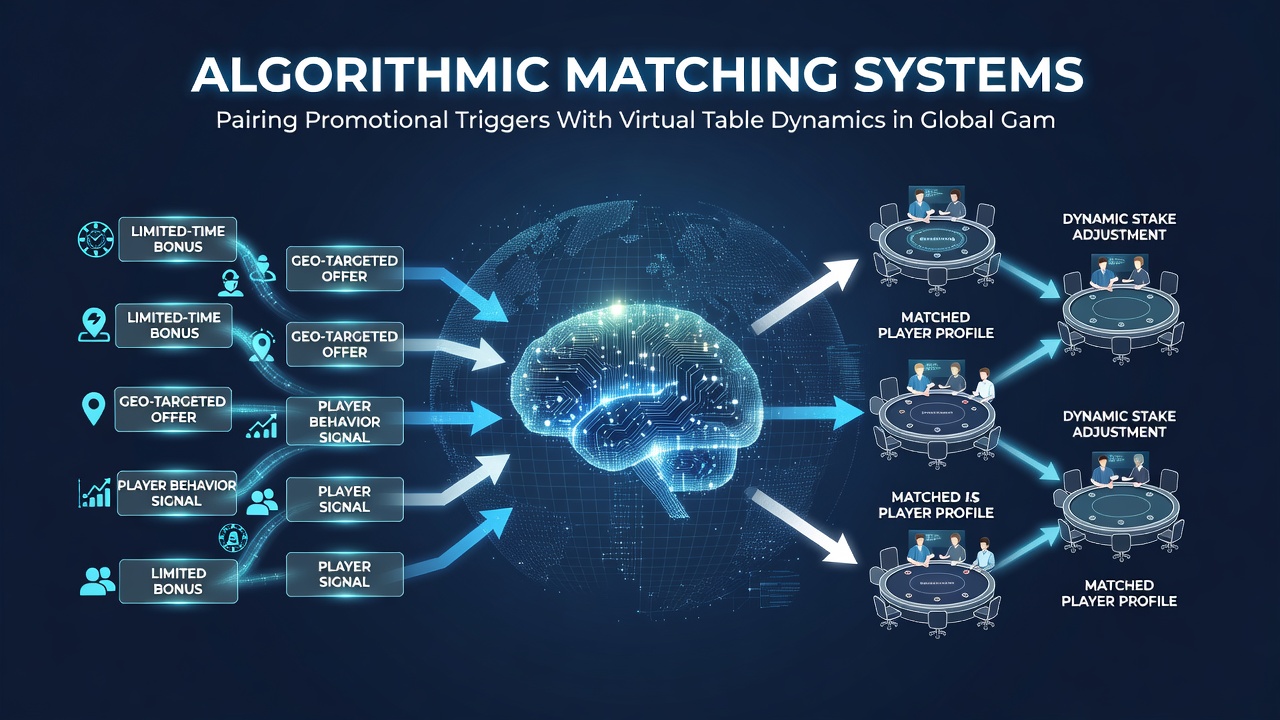
Cross-network data sharing agreements support the matching process by providing aggregated insights into table performance metrics without exposing individual player identities, a requirement enforced by privacy standards in regions including the European Union and Australia. Operators utilize these shared datasets to refine algorithm parameters, resulting in higher precision when deploying triggers that respond to collective trends at virtual tables, such as spikes in popularity for certain game variants during evening hours in specific geographic clusters.
Technical Mechanisms Driving Pairings
At the core of these systems lie reinforcement learning models that iteratively adjust matching weights based on outcome feedback from completed game sessions, where successful trigger deployments that lead to continued play receive positive reinforcement signals. Virtual table dynamics feed into this loop through metrics like pot size fluctuations and dealer simulation speed, allowing the algorithm to anticipate moments when a promotional intervention could enhance retention. Technical documentation from platform providers describes how edge computing nodes positioned near major player hubs accelerate the evaluation of trigger conditions, reducing latency between table event detection and promotion display to under 200 milliseconds in optimized setups.
Security protocols embedded within the matching architecture verify the integrity of both trigger conditions and table data streams, preventing unauthorized alterations that could skew pairings. International standards organizations have contributed guidelines on encryption methods suitable for these environments, ensuring that global networks maintain consistent protection levels across borders. One study released by the Nevada Gaming Control Board outlines the role of such protocols in maintaining system reliability amid expanding virtual table offerings.
Regional Adaptations and Data Patterns
Adaptations in algorithmic matching vary by region according to local regulatory emphasis and player demographics, with North American networks often prioritizing triggers tied to loyalty accumulation while Asia-Pacific implementations focus on session-extension incentives linked to table volatility measures. Data patterns extracted from aggregated logs demonstrate that matching accuracy improves when models incorporate seasonal variations in gaming activity, such as increased table participation during holiday periods. A report issued by the Victorian Commission for Gambling and Liquor Regulation in Australia provides examples of how regional data inputs refine trigger timing to align with observed virtual table cycles in licensed online environments.
Observers have tracked how these adaptations contribute to more stable network performance, as algorithms learn to balance promotional frequency against table engagement metrics to avoid over-saturation. Continued refinement through feedback loops supports ongoing alignment between triggers and dynamics even as network scales grow and new virtual table features are introduced.
Conclusion
Algorithmic matching systems continue to shape the connection between promotional triggers and virtual table dynamics throughout global gaming networks by leveraging layered data processing and adaptive models that respond to real-time conditions. Developments through June 2026 underscore the expanding role of distributed architectures and regional compliance measures in sustaining precise pairings across diverse operational landscapes.