Inside the Mechanics of Tailored Perks for Smartphone-Based Table Games
Jakob Schmitz · Jun 26, 2026

Inside the Mechanics of Tailored Perks for Smartphone-Based Table Games
Smartphone-based table games rely on layered systems that match player activity with customized incentives, and developers build these mechanics around data streams collected in real time. Operators gather details such as session length, wager patterns, game selection, and device location, then feed the information into matching algorithms that trigger offers at specific moments during play. In June 2026, several major platforms updated their backend processes to refine how these triggers respond to sudden shifts in betting volume, which allows perks to appear within seconds rather than after a completed session.
Data Inputs That Drive Personalization
Every interaction on a mobile table game generates a packet of information that includes time of day, connection type, and previous deposit history, while geolocation services add another dimension by confirming whether a player sits inside an approved jurisdiction. Developers integrate these inputs into models that segment users into groups based on frequency and average stake size, and the resulting categories determine which bonus structures activate next. Studies from the University of Nevada Reno Gaming Research Center show that platforms using combined location and behavioral signals achieve higher repeat engagement rates than those relying on deposit data alone.
Algorithms also track micro-behaviors such as how quickly a player adjusts bet sizes after a loss or how often they switch between roulette and blackjack within one session. When the system detects a pattern that matches historical data from similar profiles, it releases a targeted credit or free-bet token calibrated to that user's typical stake range. This process runs continuously in the background, so the offer appears at the moment the player is most likely to accept it rather than at arbitrary intervals.
Algorithmic Matching and Trigger Points
Matching engines compare live activity against stored profiles using decision trees that weigh recent actions more heavily than older ones, and they adjust thresholds dynamically when a player enters a new geographic zone. For instance, a user crossing from one state into another may receive an adjusted welcome credit that reflects local tax rules or minimum deposit requirements. The New Jersey Division of Gaming Enforcement publishes quarterly technical standards that require these location-based adjustments to log every change for audit purposes, which creates a transparent record of how perks adapt across borders.
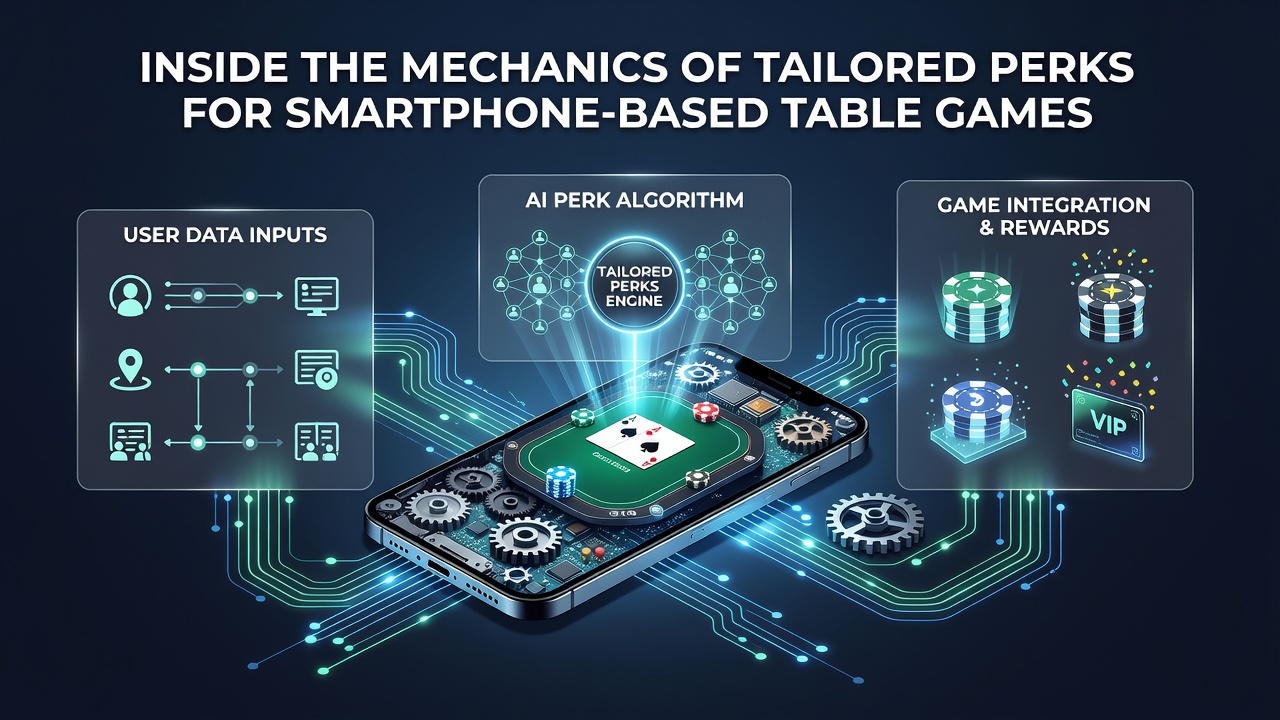
Trigger points often coincide with natural pauses in gameplay, such as the end of a hand or the conclusion of a betting round, because these moments give the system a brief window to display the offer without interrupting core mechanics. Platforms test different timing windows through controlled rollouts, measuring acceptance rates before scaling the same trigger logic across broader user bases. Data from the Australian Communications and Media Authority indicates that timing optimization contributes more to conversion than the monetary value of the perk itself in many regulated markets.
Regulatory Frameworks Shaping Delivery
Regulators in multiple regions require operators to maintain clear separation between promotional content and game outcomes, which means tailored offers must appear in designated screen areas that do not overlay active betting fields. Malta's Gaming Authority updated its remote gaming guidelines in early 2026 to mandate explicit disclosure of how location data influences perk eligibility, and operators must now provide players with an on-screen summary of the factors that generated any given offer. Compliance teams run automated audits that flag any instance where a perk display could be interpreted as altering the random number generator output, and those flags trigger immediate reviews.
Cross-border play adds another layer because some jurisdictions prohibit certain bonus types while neighboring regions permit them, so the matching system must reference a rules engine that updates daily. When a player logs in from an area with stricter deposit bonus caps, the algorithm substitutes an alternative form of value such as extended play credits or loyalty points instead. This substitution logic keeps the overall incentive structure consistent while respecting local statutes.
Retention Effects and Platform Metrics
Operators measure retention through metrics that track days between sessions and total hands played after an incentive activates, and they compare these figures against control groups that receive generic offers. Reports compiled by the Canadian Gaming Association reveal that segmented rewards tied to specific table game preferences produce longer average session durations than broad promotions distributed to all users. The difference appears most clearly in games such as blackjack and roulette, where players who receive stake-matched credits tend to extend their time at the virtual table by measurable margins.
Feedback loops feed acceptance and redemption data back into the model so that future recommendations become more precise, and developers run weekly recalibrations that incorporate fresh regulatory updates. This continuous refinement allows platforms to maintain compliance while still delivering incentives that align with observed player behavior across different devices and network conditions.
Conclusion
The mechanics behind tailored perks for smartphone table games combine real-time data collection, algorithmic decision trees, and jurisdiction-specific rules engines to deliver incentives that match individual activity patterns. As platforms continue to refine timing and segmentation logic, the systems remain subject to evolving technical standards issued by authorities in multiple regions, which ensures that personalization occurs within clearly defined operational boundaries.