Shifting Dynamics of Reward Allocation in Mobile-First Card Game Ecosystems
Jordan Bauer · Jun 28, 2026
Shifting Dynamics of Reward Allocation in Mobile-First Card Game Ecosystems
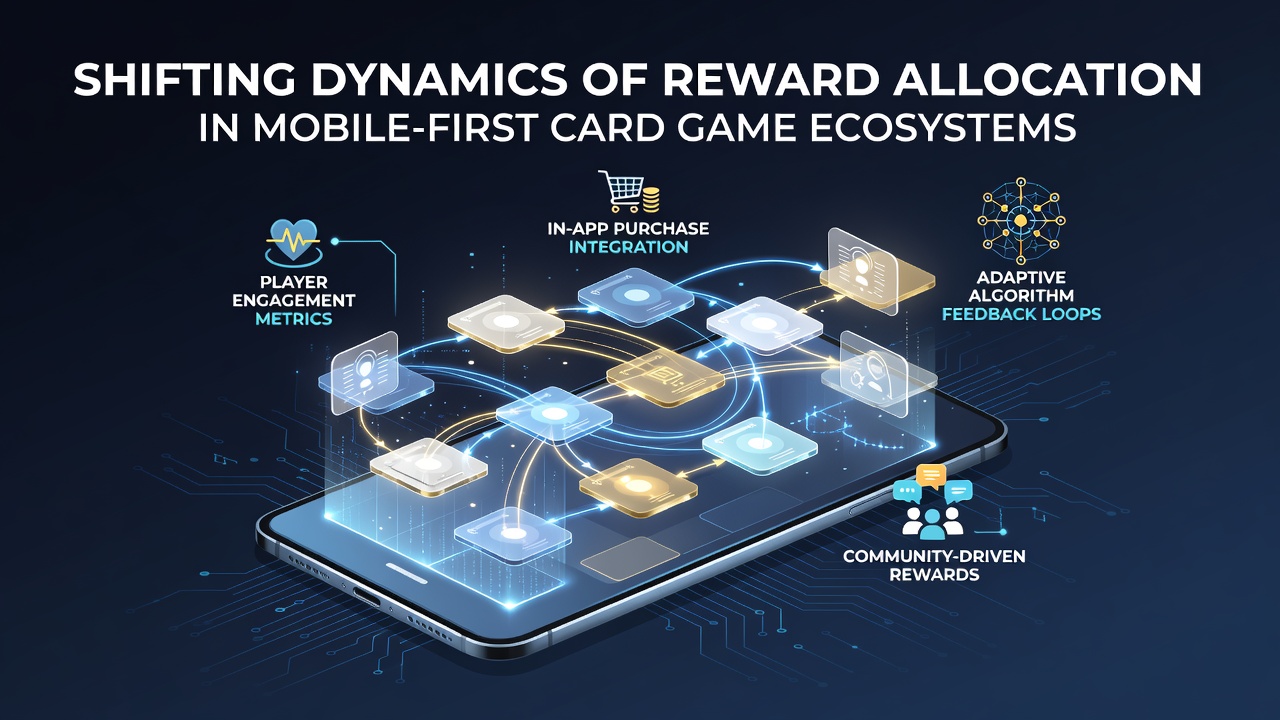
Card game platforms built around mobile devices have transformed how developers distribute incentives, and the patterns emerging in 2026 reflect deeper integration of user data with algorithmic decision-making. Players now encounter reward structures that adjust in real time based on session length, game type preferences, and engagement metrics rather than fixed bonus schedules that dominated earlier app generations.
Evolution of Mobile Card Game Reward Models
Early mobile card ecosystems relied on static welcome packages and daily login streaks, yet platform operators began shifting toward dynamic allocation systems once telemetry data revealed retention gaps after the first week of play. Research from industry analysts shows that personalized reward triggers, such as targeted in-game currency drops following specific hand outcomes, now account for measurable increases in repeat sessions across popular titles like digital poker variants and rummy formats. These changes coincide with broader adoption of cloud-based analytics that process player behavior without requiring constant server queries on the device itself.
Technological Drivers Behind Allocation Changes
Developers integrate machine learning models that evaluate thousands of variables per user, including time of day, device type, and even touch-screen interaction speed, to determine when and what type of reward appears most effective. And because these models operate continuously, allocation decisions occur within milliseconds of a completed round rather than through batch processing that characterized older systems. Observers note that this immediacy reduces player friction while allowing operators to test multiple incentive variations simultaneously across segmented user cohorts.
Geolocation features further refine these processes by linking rewards to regional events or local player density, although regulatory frameworks in multiple jurisdictions now require clear disclosure of how location data influences such offers. In June 2026 several platforms updated their allocation engines to comply with emerging standards that emphasize transparency in data usage for reward calculations.
Player Segmentation and Tiered Incentive Structures
Modern ecosystems divide users into categories based on lifetime value metrics and behavioral clusters, then apply differentiated reward streams to each group. High-frequency players might receive accelerated progression toward exclusive table access or cosmetic upgrades, whereas occasional participants encounter entry-level incentives designed to encourage incremental commitment. Data indicates that such segmentation produces distinct retention curves, with mid-tier users showing the most sensitivity to timing adjustments in reward delivery.
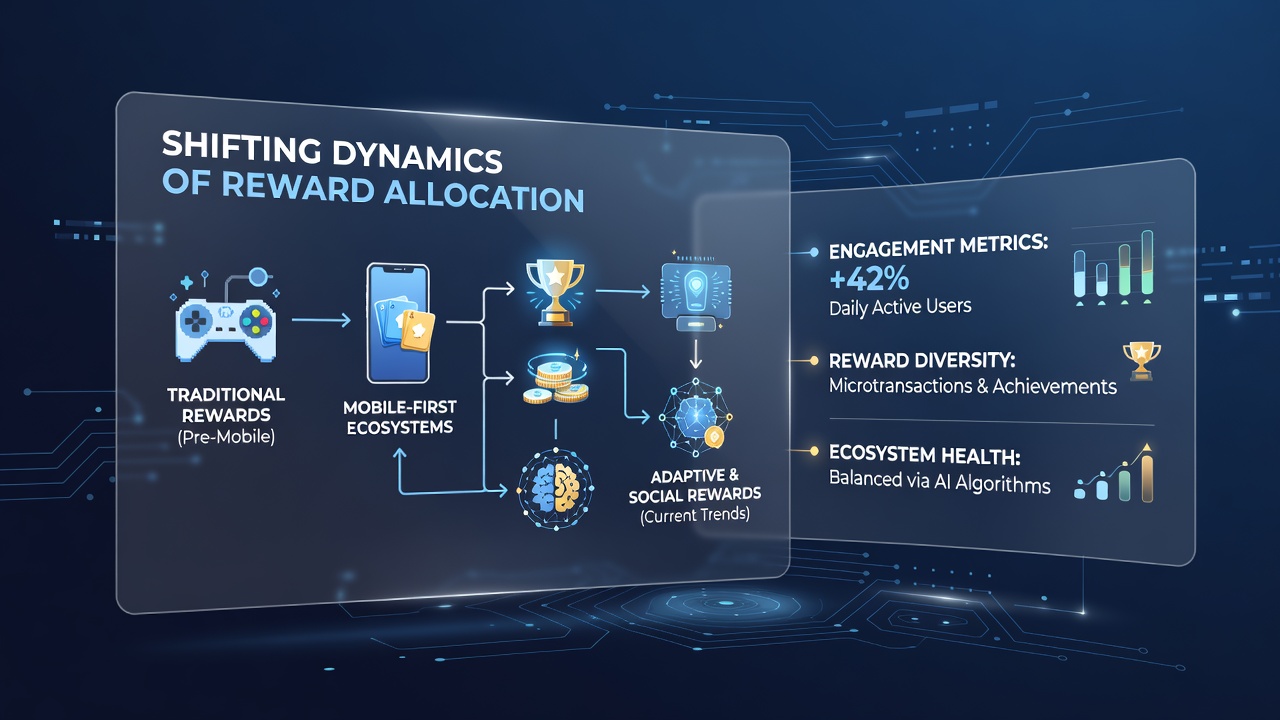
Case examples from major operators illustrate how loyalty ladders now incorporate cross-game multipliers, allowing points earned in one card title to influence reward eligibility in another within the same ecosystem. This interconnected approach emerged after internal studies demonstrated that siloed progression systems led to fragmented engagement across a developer's portfolio. Those who've examined the underlying code structures point to shared backend databases as the technical foundation enabling these fluid transfers.
Regulatory Influences on Reward Practices
Government agencies across North America and Europe continue to shape reward allocation through updated compliance requirements that address fairness in randomized reward mechanics. The Alcohol and Gaming Commission of Ontario released guidance in early 2026 clarifying expectations around disclosure of probability rates for bonus features in mobile card applications. Similar directives from Australian regulatory bodies emphasize audit trails for algorithmic reward decisions, prompting several global platforms to publish summary reports detailing allocation logic.
These regulatory pressures coincide with industry efforts to standardize reporting through organizations such as the American Gaming Association, which tracks aggregate trends in digital card game participation and incentive expenditures. Figures reveal steady growth in mobile card game revenue alongside increasing proportions of total marketing budgets allocated to performance-based rewards rather than broad-spectrum promotions.
Emerging Patterns in June 2026
By June 2026 platform updates had begun incorporating biometric feedback loops where available, allowing reward timing to align with detected user attention levels during extended sessions. Developers report that such refinements stem from partnerships with hardware manufacturers seeking deeper integration between game software and device sensors. Meanwhile, academic researchers at institutions studying digital entertainment economics have started publishing preliminary findings on how these adaptive systems affect long-term player spending patterns across different demographic groups.
Future Trajectories for Ecosystem Design
Continued refinement of reward allocation appears tied to advances in federated learning techniques that preserve user privacy while still enabling collective model improvements across installations. Operators anticipate further convergence between card game mechanics and social features, where group-based challenges unlock collective rewards distributed according to individual contribution metrics. Such developments build upon existing frameworks yet introduce new variables into the allocation equations that platforms must balance against regulatory scrutiny and user expectations.
Conclusion
The ongoing evolution of reward allocation within mobile-first card game environments reflects convergence of data analytics, regulatory oversight, and platform architecture choices. Patterns observed through mid-2026 suggest that future systems will emphasize precision and adaptability while maintaining compliance across jurisdictions. Stakeholders continue monitoring these shifts through industry reports and compliance filings that document both technical implementations and measurable outcomes in player engagement metrics.