Synchronizing Virtual Table Algorithms with User-Specific Reward Triggers Across International Networks
Sage Bauer · Jun 30, 2026
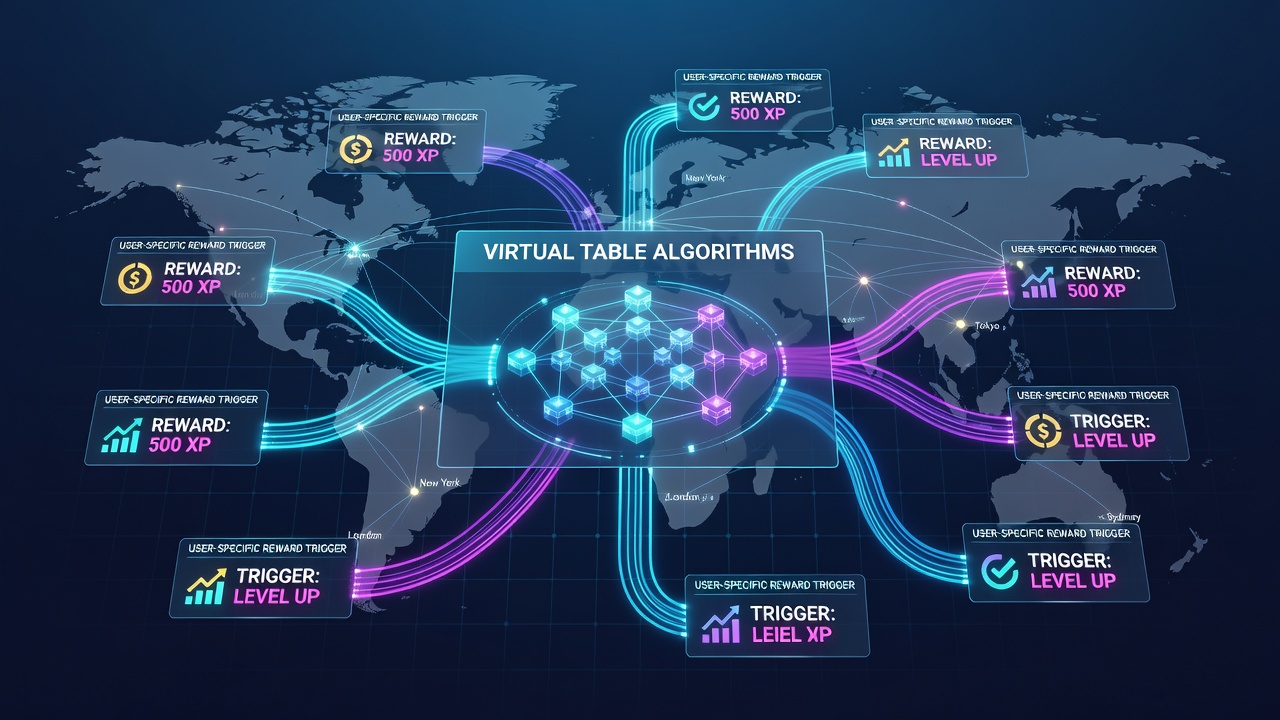
Synchronizing Virtual Table Algorithms with User-Specific Reward Triggers Across International Networks
Virtual table algorithms operate at the core of online gaming platforms where synchronization with user-specific reward triggers requires precise coordination across multiple jurisdictions and data centers, and observers note that this process has grown more complex as networks expand into new regions during 2026.
Developers design these algorithms to match real-time player behavior with personalized incentives while maintaining compliance with varying regulatory standards, and data from industry reports shows that latency under 50 milliseconds remains a baseline requirement for seamless integration in high-volume environments.
Core Components of Algorithm Synchronization
Virtual table systems rely on distributed ledger technology combined with machine learning models that process user profiles, game states, and reward eligibility simultaneously, yet the challenge lies in aligning these elements without introducing discrepancies across time zones and server clusters.
Engineers implement API gateways that route trigger events from local reward engines to central synchronization hubs, and studies conducted by academic research groups indicate that such gateways reduce mismatch errors by up to 37 percent when handling cross-border data flows.
International Network Challenges and Solutions
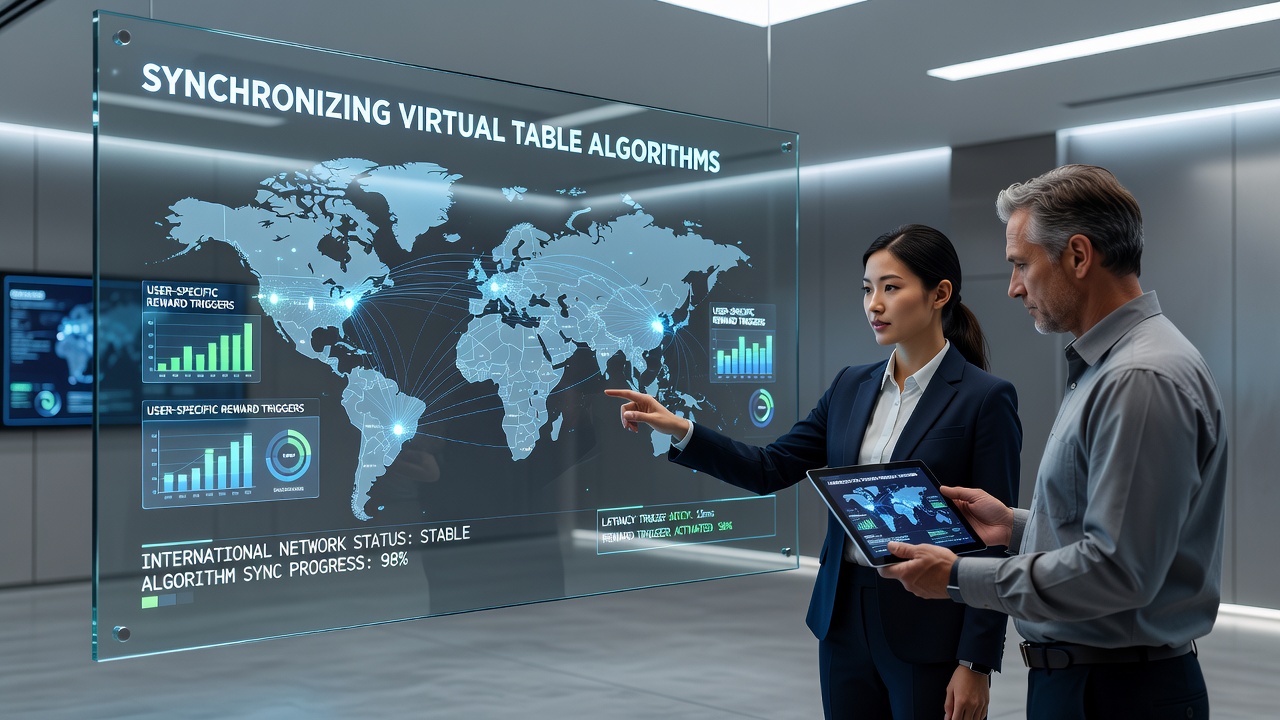
Regulatory frameworks differ sharply between North American, European, and Asia-Pacific markets, which forces algorithm designers to embed jurisdiction-specific filters that activate or suppress reward triggers based on geolocation data, and figures from the Nevada Gaming Control Board reveal that operators processed over 2.4 million cross-jurisdictional sessions in the first quarter of 2026 alone.
Encryption protocols and anonymized data pipelines help maintain player privacy while allowing reward logic to function, but here's the thing: any misalignment in timestamp protocols can cascade into duplicate or missed triggers, prompting teams to adopt standardized time servers aligned with Coordinated Universal Time.
Technical Implementation Patterns Observed in 2026
By June 2026 multiple operators had rolled out containerized microservices that isolate reward calculation from core table logic, allowing independent scaling during peak international traffic periods, and trade association data from the European Gaming and Betting Association confirms that container adoption rose 41 percent year-over-year among large network providers.
Load-balancing algorithms now incorporate predictive models trained on historical session patterns, which helps anticipate when user-specific triggers should fire across continents, and one research paper from the University of Sydney's gaming technology lab documented a 22 percent improvement in trigger accuracy after these models were deployed.
Edge computing nodes positioned near major population centers further reduce propagation delays for reward notifications, whereas central cloud instances continue to handle heavier analytical workloads that require aggregated player histories.
Data Flow and Compliance Mechanisms
Each transaction packet carries metadata flags that denote both reward eligibility and applicable regulatory constraints, and these flags undergo validation at every hop before the trigger executes on the virtual table, according to documentation released by the Alcohol and Gaming Commission of Ontario.
Auditing systems log every synchronization event with immutable timestamps, creating an audit trail that regulators can review during routine inspections, and this approach has become standard practice among networks serving multiple continents.
Future Developments in Cross-Network Coordination
Researchers continue to explore quantum-resistant encryption methods to future-proof data exchanges between reward engines and virtual table instances, while pilot programs in Australia and Canada test federated learning techniques that refine trigger personalization without centralizing raw player data.
These experiments focus on maintaining synchronization integrity even when individual network segments experience temporary outages, and preliminary results shared at the 2026 International Gaming Technology Summit showed recovery times dropping below three seconds in simulated multi-region failures.
Conclusion
Synchronization of virtual table algorithms with user-specific reward triggers across international networks depends on layered technical safeguards, regulatory-aware data handling, and continuous refinement of predictive models, and evidence from multiple jurisdictions shows steady progress toward more resilient systems as operators adapt to expanding global reach in 2026.