Tracing Incentive Pathways in Virtual Baccarat Through Wearable Device Networks
Sage Bauer · Aug 25, 2026
Tracing Incentive Pathways in Virtual Baccarat Through Wearable Device Networks
Virtual baccarat ecosystems have expanded onto emerging wearable devices in recent years, and data-driven incentive networks now connect player actions across these platforms with real-time reward allocations. In August 2026 industry reports documented increased adoption of smart glasses and wrist-worn interfaces that stream live dealer sessions while collecting biometric and behavioral metrics. These metrics feed into centralized mapping systems that adjust promotional triggers based on session duration, bet patterns, and physiological signals such as heart rate variability.
Core Components of Data Collection on Wearables
Hardware sensors embedded in current-generation wearables capture continuous streams of information during baccarat play, and software layers translate those inputs into structured datasets that operators use for incentive calibration. Accelerometers track hand movements associated with card-drawing gestures, while eye-tracking modules in augmented-reality headsets record gaze duration on specific betting zones. Researchers have noted that combining these signals with geolocation tags produces granular profiles of individual engagement levels across multiple virtual tables.
Network architectures route this information through encrypted channels to cloud-based analytics engines, where algorithms segment players into cohorts according to risk tolerance and historical response to prior incentives. Observers note that such segmentation enables operators to distribute personalized credit multipliers or free-hand vouchers without requiring explicit player requests, and the process occurs within milliseconds of each completed round.
Mapping Techniques for Incentive Distribution
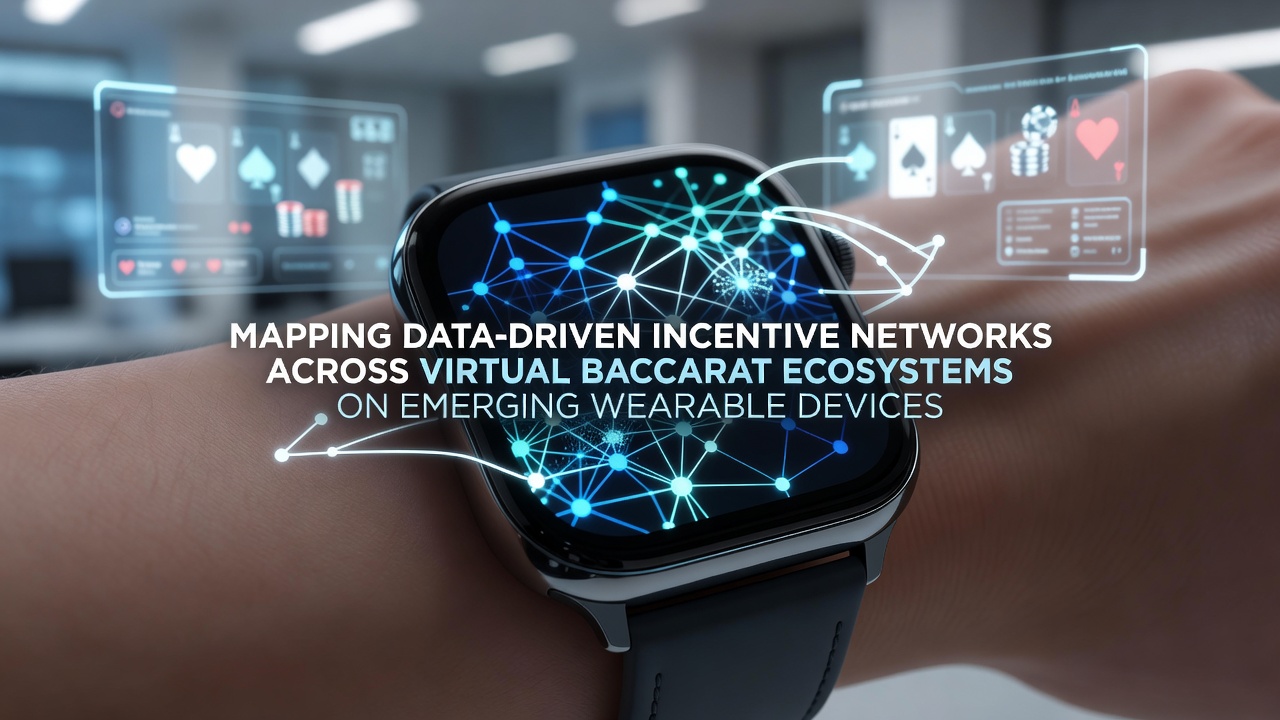
Graph-based models represent relationships between wearable-collected data points and available reward pools, allowing operators to visualize pathways from player behavior to incentive delivery. Each node corresponds to a measurable action such as a side-bet placement or a pause in wagering, while edges illustrate how those actions influence subsequent reward eligibility. Studies conducted by academic teams at several North American universities have examined how these graphs update dynamically when new sensor data arrives from devices operating on different operating systems.
Integration with loyalty databases occurs through application programming interfaces that standardize data formats across manufacturers, and this standardization supports cross-device continuity for players who switch between wristbands and head-mounted displays during a single session. Figures from European gaming research consortia indicate that such continuity correlates with higher retention metrics in simulated environments, though operators continue to refine the underlying mapping logic.

Regulatory and Technical Considerations
Regulatory frameworks in multiple jurisdictions now require operators to disclose how wearable-derived data influences incentive allocation, and compliance documentation must detail the specific variables fed into mapping algorithms. The Nevada Gaming Control Board has issued guidance on data retention periods for biometric information collected during virtual sessions, while Australian state agencies have examined similar requirements for cross-border data transfers. These rules shape the technical architecture of incentive networks by mandating audit trails that record every adjustment to reward parameters.
Encryption standards and consent mechanisms form additional layers of the infrastructure, and developers implement differential privacy techniques to anonymize individual records before they enter the central mapping system. Industry associations have published technical specifications that outline minimum latency thresholds for data synchronization between wearables and backend servers, ensuring that incentive updates remain responsive even during peak usage periods.
Future Integration Patterns
Emerging protocols aim to link wearable baccarat data with broader hospitality ecosystems, allowing incentive networks to incorporate hotel or dining rewards based on the same behavioral maps. Pilot programs in several Asian markets have tested unified dashboards that display both gaming incentives and non-gaming offers on a single wearable interface. Data from these pilots suggests that unified presentation increases overall platform engagement when the mapping algorithms account for time-of-day preferences and device battery status.
Continued refinement of machine-learning models that predict optimal incentive timing relies on expanding datasets generated by next-generation sensors, including those capable of measuring skin conductance during high-stakes decisions. Observers note that these developments will further tighten the connection between physical player states and digital reward delivery across virtual baccarat environments.
Conclusion
Data-driven incentive networks operating across wearable-enabled virtual baccarat ecosystems rely on integrated sensor inputs, graph-based mapping models, and regulatory-compliant data handling procedures. As device capabilities advance and additional jurisdictions codify disclosure requirements, the structures that connect player metrics to reward allocation will continue to evolve in documented, measurable ways.